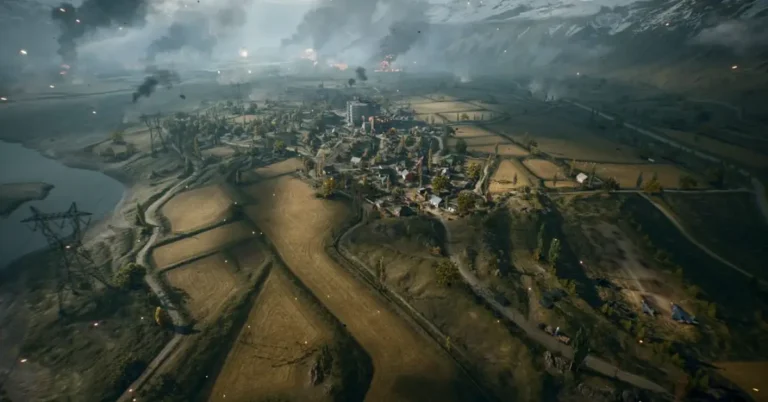
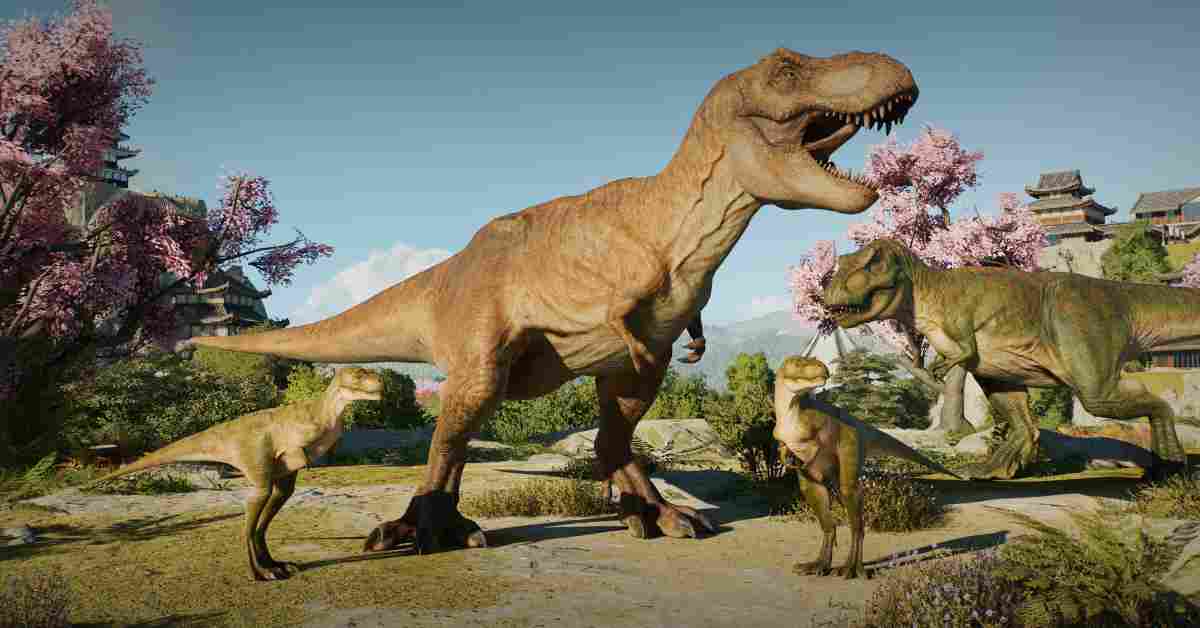
Frontier Developments is bringing dinosaurs back to life once again with Jurassic World Evolution 3, the latest entry in its hit park management series. The game builds on everything fans loved about the first two titles – and adds a few surprises that make this version the most detailed and dynamic yet.
The third installment introduces baby dinosaurs, a feature fans have wanted since the beginning. You’ll now be able to watch hatchlings grow from tiny creatures into full-sized prehistoric giants. Along with that, the game adds expanded park customization, letting players design enclosures, viewing platforms, and paths with more creative freedom than ever. It’s a mix of everything Frontier learned from Planet Zoo and Planet Coaster, now tailored perfectly for a dinosaur theme park.
The Largest Dinosaur Roster Yet
When Jurassic World Evolution 3 launches, players will have access to more than 80 prehistoric species – including land, flying, and marine reptiles. Nearly all of them are available in the base version of the game, while a few rare species are reserved for the Deluxe Edition.
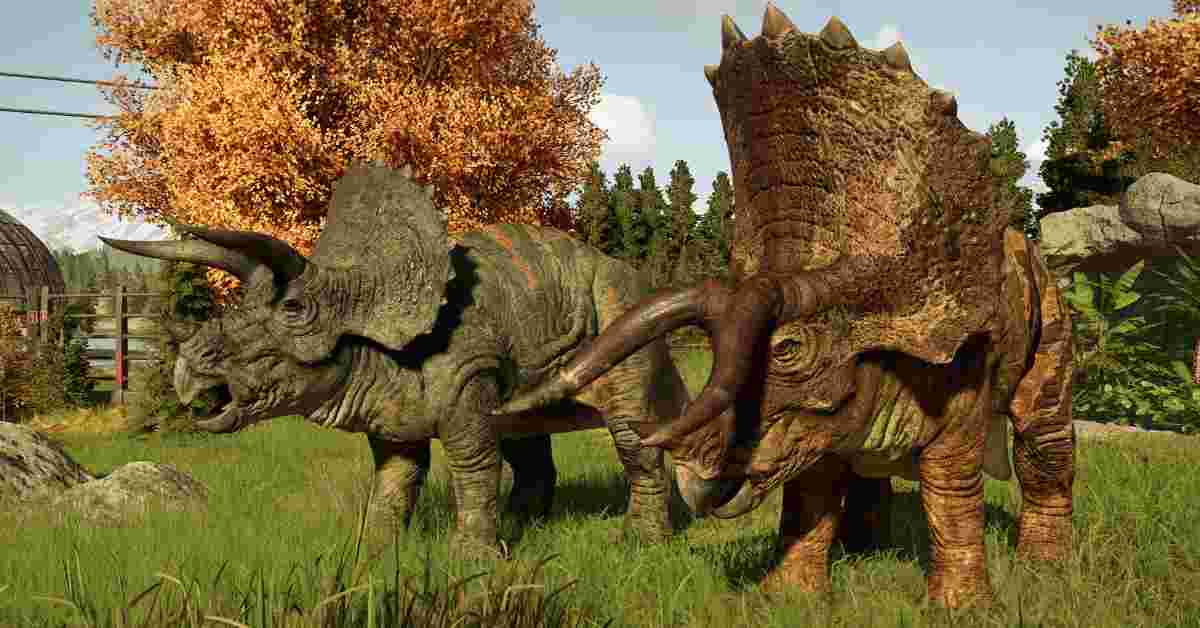
Fan favorites such as the Tyrannosaurus Rex, Velociraptor, Triceratops, and Stegosaurus all return, but there are plenty of new species to discover too. Frontier has also confirmed that additional creatures from the first two games will be added later through free post-launch updates, so the roster will continue to grow over time.
Every Dinosaur in Jurassic World Evolution 3
Below is the full list of dinosaurs currently confirmed for Jurassic World Evolution 3, including their diet types and how many eggs you can expect per clutch during breeding.
| Dinosaur Name | Diet | Egg Batch Size |
|---|---|---|
| Acrocanthosaurus | Carnivore, Live Prey | 1 |
| Albertosaurus | Carnivore, Live Prey | 1–2 |
| Allosaurus | Carnivore, Live Prey | 1–3 |
| Ankylodocus | Tall Paleobotany | 1–2 |
| Ankylosaurus | Ground Paleobotany | 1–2 |
| Apatosaurus | Tall Paleobotany | 1–2 |
| Archaeornithomimus | Ground Paleobotany | 3–6 |
| Atrociraptor | Carnivore, Live Prey | 3–4 |
| Attenborosaurus | Shoal | 3–5 |
| Baryonyx | Piscivore, Carnivore, Live Prey | 1–3 |
| Brachiosaurus | Tall Paleobotany | 1–2 |
| Caiuajara | Piscivore, Live Prey | 2–4 |
| Carnotaurus | Carnivore, Live Prey | 2–4 |
| Ceratosaurus | Carnivore, Live Prey | 1–3 |
| Chasmosaurus | Ground Paleobotany | 2–5 |
| Chungkingosaurus | Ground Paleobotany | 1–3 |
| Coelophysis | Carnivore, Live Prey | 1–3 |
| Compsognathus | Carnivore Feeder | 4–6 |
| Concavenator (Deluxe) | Carnivore, Live Prey | 1–2 |
| Corythosaurus | Ground Paleobotany | 2–4 |
| Deinonychus | Carnivore, Live Prey | 3–5 |
| Dilophosaurus | Carnivore, Live Prey | 3–6 |
| Dimetrodon | Carnivore Feeder | 2–4 |
| Dimorphodon | Piscivore, Live Prey | 3–6 |
| Diplodocus | Tall Paleobotany | 1–2 |
| Dreadnoughtus | Tall Paleobotany | 1 |
| Dryosaurus | Ground Paleobotany | 3–6 |
| Dunkleosteus | Shoal | 1–3 |
| Edmontosaurus | Ground Paleobotany | 2–5 |
| Gallimimus | Ground Paleobotany | 4–6 |
| Geosternbergia | Piscivore, Live Prey | 1–3 |
| Giganotosaurus | Carnivore, Live Prey | 1–2 |
| Gigantspinosaurus | Ground Paleobotany | 2–6 |
| Guanlong (Deluxe) | Carnivore, Live Prey | 2–4 |
| Herrerasaurus | Carnivore, Live Prey | 3–4 |
| Homalocephale | Ground Paleobotany | 4–6 |
| Ichthyosaurus | Shoal | 2–5 |
| lguanodon | Ground Paleobotany | 1–4 |
| Indominus Rex | Carnivore, Live Prey | 1 |
| Indoraptor | Carnivore, Live Prey | 1 |
| Kronosaurus | Shoal | 1–2 |
| Lokiceratops | Ground Paleobotany | 2–4 |
| Lystrosaurus | Ground Paleobotany | 3–4 |
| Maisaura | Ground Paleobotany | 2–4 |
| Mamenchisaurus | Tall Paleobotany | 1 |
| Megalodon | Shark, Shoal | 1 |
| Metriacanthosaurus | Carnivore, Live Prey | 1–3 |
| Microceratus | Ground Paleobotany | 2–3 |
| Moros Intrepidus | Carnivore | 3–4 |
| Mosasaurus | Shark, Shoal | 1 |
| Muttaburrasaurus | Ground Paleobotany | 2–4 |
| Nasutoceratops | Ground Paleobotany | 2–4 |
| Nodosaurus | Ground Paleobotany | 1–2 |
| Olorotitan | Ground Paleobotany | 2–4 |
| Oviraptor | Omnivore | 3–6 |
| Pachycephalosaurus | Ground Paleobotany | 2–6 |
| Parasaurolophus | Ground Paleobotany | 2–5 |
| Patagotitan | Tall Paleobotany | 1 |
| Plesiosaurus | Shoal | 2–4 |
| Proceratosaurus | Carnivore, Live Prey | 2–6 |
| Protoceratops (Deluxe) | Ground Paleobotany | 1–4 |
| Psittacosaurus | Ground Paleobotany | 3–6 |
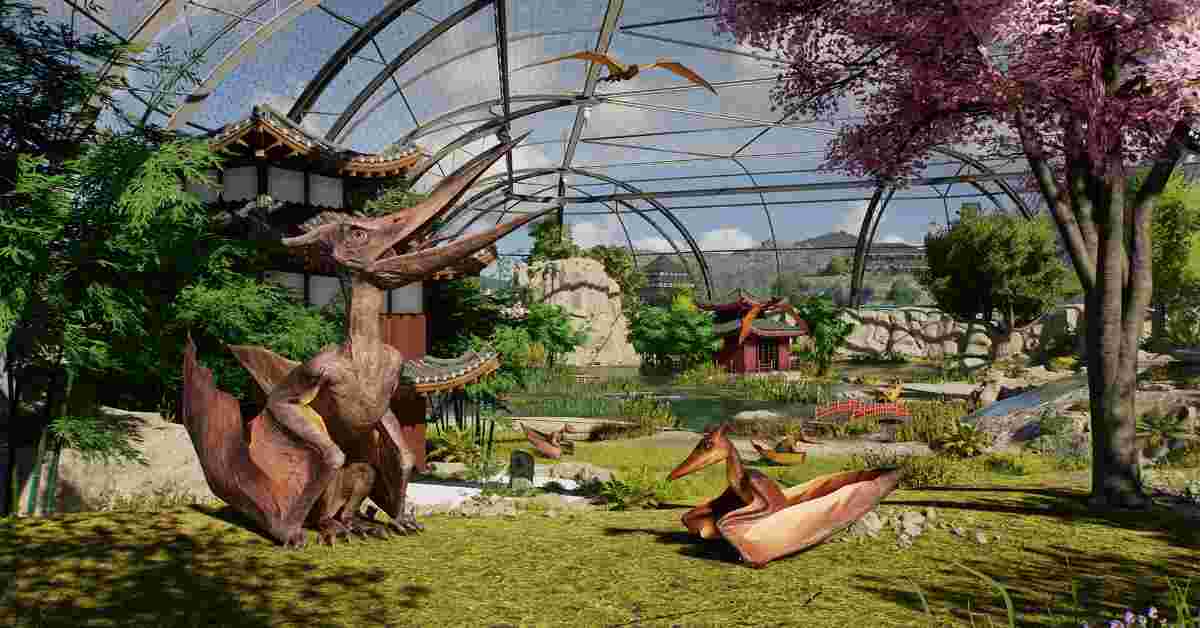
| Pteranodon | Piscivore, Live Prey | 1–3 |
| Pyroraptor | Carnivore, Live Prey | 2–4 |
| Qianzhousaurus | Carnivore, Live Prey | 2–4 |
| Quetzalcoatlus | Piscivore, Live Prey | 1 |
| Sauropelta | Ground Paleobotany | 1–3 |
| Scorpios Rex | Carnivore, Live Prey | 1 |
| Sinoceratops | Ground Paleobotany | 1–3 |
| Spinoceratops | Omnivore | 2–3 |
| Spinoraptor | Piscivore, Carnivore, Live Prey | 1–3 |
| Spinosaurus | Piscivore, Carnivore, Live Prey | 1 |
| Stegoceratops | Ground Paleobotany | 2–4 |
| Stegosaurus | Ground Paleobotany | 2–3 |
| Struthiomimus | Ground Paleobotany | 3–5 |
| Stygimoloch | Ground Paleobotany | 2–6 |
| Styracosaurus | Ground Paleobotany | 2–4 |
| Suchomimus | Piscivore, Carnivore, Live Prey | 1–4 |
| Tapejara | Piscivore, Live Prey | 2–4 |
| Thanatosdrakon (Deluxe) | Piscivore, Live Prey | 1–2 |
| Therizinosaurus | Ground Paleobotany | 1 |
| Triceratops | Ground Paleobotany | 1–4 |
| Troodon | Carnivore, Live Prey | 2–6 |
| Tropeognathus | Piscivore, Live Prey | 1–2 |
| Tsintaosaurus | Ground Paleobotany | 3–6 |
| Tyrannosaurus Rex | Carnivore, Live Prey | 1–2 |
| Utahraptor | Carnivore, Live Prey | 2–4 |
| Velociraptor | Carnivore, Live Prey | 2–3 |
| Yutyrannus | Carnivore, Live Prey | 2–3 |
Caring for Your Dinosaurs
Each dinosaur species has unique needs that must be met to keep them healthy and happy. Carnivores prefer live prey or meat feeders, herbivores depend on the right type of paleobotany, and aquatic predators feed on shoals or sharks. Balancing these food sources – and keeping rival species apart – is key to maintaining order in your park.
You’ll also need to consider environmental preferences. Some dinosaurs prefer forests, others need open plains, and many aquatic species require specific water depths. Meeting these needs helps avoid stress and reduces the chances of breakouts.
Park Customization and New Tools
Building your park is now far more flexible. You can reshape terrain, add decorative plants, and tweak building layouts to match your vision. Enclosures, facilities, and viewing galleries can be mixed and matched for a completely custom design. It’s the most creative version of Jurassic World Evolution yet.
Post-Launch Plans
Frontier has already confirmed that the game will receive regular free updates. These will include returning dinosaurs from previous titles, new species from the Jurassic Park and Jurassic World films, and additional park tools for players who love fine-tuning their layouts.
Final Thoughts
Jurassic World Evolution 3 looks to be the most ambitious park management game the franchise has ever produced. From raising baby dinosaurs to designing your dream park layout, it combines realism, creativity, and nostalgia in one massive package.
Which dinosaur are you most excited to add to your park? Share your pick with the community!