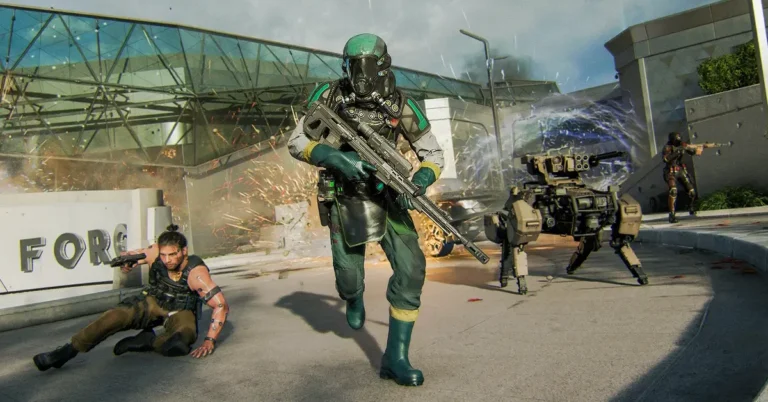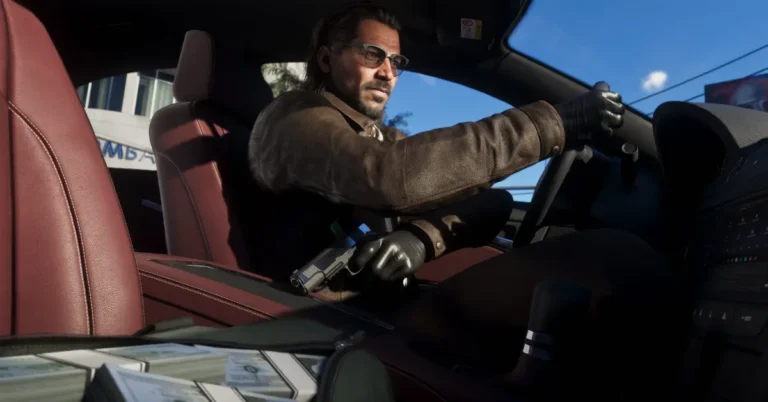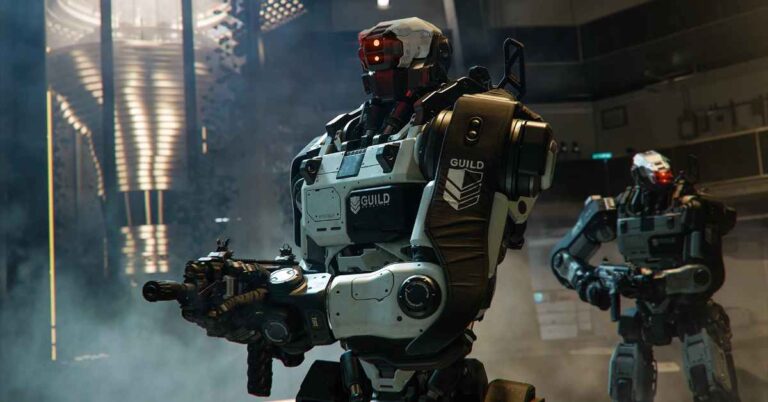
When you think of Battlefield, the first image that probably comes to mind is scale. Not just “big” in the sense of open-world games, but big in how chaotic, unpredictable, and downright overwhelming a match can feel. Helicopters screaming overhead, tanks cutting across farmland, and somewhere in the middle you and a squadmate scrambling for cover behind a half-collapsed wall. That’s the Battlefield magic, and from what I’ve played of Battlefield 6, that spirit is alive and well.
I got a few hours with the game during its multiplayer reveal months ago, but that was more of a sampler – testing guns, checking out classes, and getting a general feel. This latest session was different. EA let me loose on two of the biggest maps at launch, Mirak Valley and Operation Firestorm, and gave me a chance to try the brand-new Escalation mode. On top of that, the build included tweaks and adjustments made since the open beta, so this was the closest thing yet to what we’ll be playing at launch.
After four hours of fighting, dying, reviving, and occasionally getting flattened by a tank I didn’t hear coming, here’s what stood out the most.
The Maps: Where Battles Turn Into Wars
Mirak Valley

Mirak Valley is Battlefield 6’s crown jewel at launch—the largest map so far, and it shows. Set in Tajikistan, it has the same mountainous backdrop as Liberation Peak but feels way more varied. On one end, you’ve got a sleepy little village with tight alleys that turn into brutal close-range firefights. At the center sits a sprawling construction site, cranes looming overhead and half-built structures providing cover. Out beyond that? Open fields and rolling terrain where vehicles completely rule the day.
One thing I noticed: trenches cut across parts of the valley, giving infantry a way to sneak around without instantly getting picked off by snipers. They work well enough, but as soon as a tank rolls up, it’s panic time. More than once, I found myself sprinting through those trenches, praying the heavy armor on the ridge didn’t notice me. Spoiler: it usually did.
Operation Firestorm
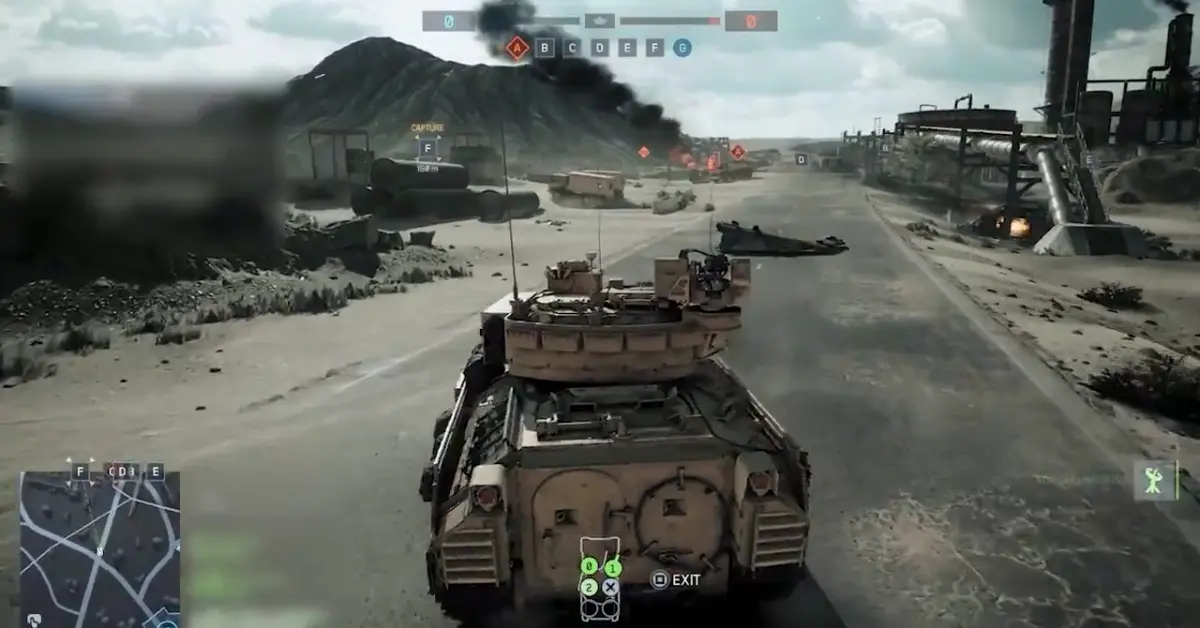
Firestorm is back, and for longtime Battlefield fans, that’s reason enough to get excited. The oil refinery and wide-open drilling fields are still here, but the map feels far more alive now thanks to Battlefield 6’s destruction system. It changes the vibe completely. You can’t really trust cover anymore, because walls, roofs, and even whole buildings can be shredded in seconds.
During one match, I tucked into a warehouse thinking I had a safe angle to pick off some enemies. Thirty seconds later, an enemy tank blew half the wall away, and suddenly my “cover” was just rubble. It’s that kind of unpredictability that keeps Firestorm fresh. Snipers still love the smokestacks, and infantry still find plenty of hiding spots indoors, but you’re never completely safe.
Escalation Mode: The Star of the Show
If there’s one thing I walked away most impressed by, it’s Escalation. On paper, it sounds like a mash-up of Conquest and Breakthrough: capture points are scattered around the map, and whichever team controls the majority fills a progress bar. Hold long enough and you score a point. First team to three wins.
The twist is what makes it shine. Every time a team scores, one capture point disappears, slowly shrinking the battlefield and forcing everyone closer together. Early game feels wide and open, with squads spread out everywhere. By the third round, though, the action gets condensed into just a few points, and it becomes absolute madness.
I had one match on Mirak Valley where the final two points were practically within grenade range of each other. The whole fight turned into smoke grenades, revives, and last-second pushes. At one point I spawned on a squadmate, only to find us instantly pinned down by a tank on one side and a sniper nest on the other. Somehow, with enough smoke and sheer chaos, we broke through. It’s those “I can’t believe we pulled that off” moments that make Escalation special.
Classes and Training: Picking Your Role
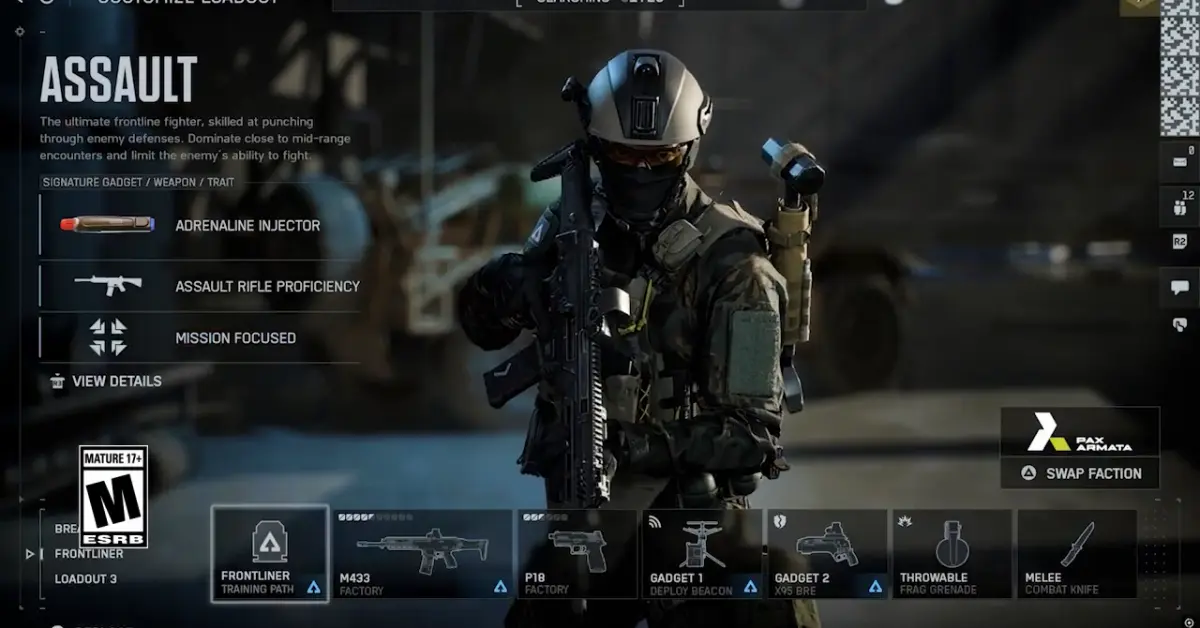
Battlefield 6 sticks with the four traditional classes—Assault, Support, Engineer, and Recon—but spices things up with “Training” options. These are basically specializations that let you tweak how your class plays.
- Assault: Frontliner is all about objective play, giving faster capture speeds and better healing, while Breacher doubles down on explosives and close-range weapons. Perfect if you’re the type to sprint into rooms first.
- Support: You can go classic Combat Medic with defibs and heals, or shift to Fire Support, which focuses on suppressing fire, smoke cover, and helping your squad hold ground.
- Engineer: Anti-Armor is the obvious tank-buster role, with more rockets and anti-vehicle perks. Combat Engineer instead buffs the team’s gear and repair tools, making you more of a support backbone.
- Recon: Sniper enhances spotting and headshot lethality, while Spec Ops makes you quieter and harder to pin down, ideal for sneaky flanks and team spawns.
I stuck with Fire Support for most of my play, and it felt great being able to lock down areas with smoke and covering fire while the squad moved in. It’s a small change, but it gives each class just enough flexibility without overwhelming you with loadout options.
What’s Changed Since the Beta
One of the big questions going in was how much the devs had tweaked since the open beta. The answer: quite a lot.
- Movement: In the beta, players zipped around like pinballs thanks to the Kinesthetic Combat system. Now it’s toned down. Sliding, diving, and sprinting still feel smooth, but you can’t chain moves endlessly. It feels more grounded.
- Snipers: Still deadly, especially on Firestorm’s long sightlines, but less frustrating. The maps now provide more cover, and sniper rifles themselves feel slightly tuned down. You’ll still get domed if you’re careless, but it’s not as overwhelming.
- Weapons: Gun balance feels noticeably better. The Support LMG that felt weak before now holds its own, and Medics don’t feel useless in fights anymore. On the flip side, the infamous M87A1 Shotgun is still scary up close but isn’t dominating entire matches.
- Vehicles: Ground vehicles now come with a short boost ability. It sounds minor, but it’s a lifesaver. Dodging rockets, climbing steep ridges, or just rushing into cover—it gives tanks and jeeps a surprising amount of mobility.
These changes make the game feel smoother, fairer, and more fun. It’s still chaotic, but not in a way that feels unbalanced.
Final Thoughts
After this session, Battlefield 6 feels like a return to form. The maps are massive and detailed, Escalation is a genuinely fun mode that adds intensity as matches go on, and the tweaks since the beta show the team is listening to feedback.
I left most impressed by how dynamic everything feels. No fight plays out the same way twice. Maybe your squad gets wiped in the open by a helicopter, or maybe you manage to turn the tide by sneaking through a trench and taking a capture point at the last second. That’s the Battlefield loop: chaos, frustration, triumph, and everything in between.
With launch set for October 10 on PS5, it won’t be long before players get to experience it for themselves. If the full release builds on what I played, Battlefield 6 could end up being one of the most exciting entries in the series in years.